Small Daily Rituals for Happier Family Meals
Morning Routines that Spark Better Breakfasts
Two-Minute Prep the Night Before
Spend two quiet minutes pre-packing dry oats, measuring yogurt, or slicing strawberries, then place everything at kid eye level. These tiny signals say, breakfast is ready for you, not waiting on adults. The predictable setup encourages autonomy, reduces morning bargaining, and helps parents sip coffee without constant requests. Snap a photo of your setup and inspire another family to try it tomorrow.
Choice Boards that Empower Without Overwhelm
Offer a simple, reusable board with two grains, two proteins, and two fruits pictured, letting kids point rather than debate. Research suggests children try more foods when they help choose. Limit to pairs to prevent decision fatigue, and rotate weekly to keep discovery bright. Post your current board in our comments and let others borrow your best combinations.
Protein First, Fun Second
Lead with a small protein anchor before sweet flavors appear: scrambled eggs beside berries, nut butter on toast triangles, or cottage cheese under cinnamon. This order steadies energy and moods, helping school transitions feel smoother. Share with kids why superheroes refuel with strength foods first, turning nutrition into storytelling. Tell us which pair kept everyone powered longest this week.
Color-Coded Bins and Eye-Level Wins
Sunday Chop-and-Drop

Tiny Hands, Big Helpers
Five-Minute Cleanup Game

Micro-Bites and the No-Pressure Plate
Add a pea-sized sample of something new on a tiny side plate, announcing there is no requirement to taste. Children inspect, poke, and sniff without fear, which research links to higher acceptance later. Celebrate observation, not consumption. Ask them to describe color and shape, then let the sample sit, inviting curiosity back another day without drama.
Sauce Sides, Not Surprise Swaps
Instead of hiding vegetables, offer dips and sauces beside familiar foods: pesto dots near pasta, tahini swirls beside chicken, or citrus yogurt next to potatoes. Visible options respect autonomy and invite playful mixing. Kids decide ratios, discover new favorites safely, and practice flavor language. Share your family’s go-to dip and we’ll trade suggestions tomorrow.
Garden Windowsill Science
Sprout basil, radishes, or pea shoots in a sunny jar, measuring growth and tasting leaves at milestones. Tangible care turns ingredients into friends, not strangers. Kids who nurture plants often greet those flavors more warmly at dinner. Post your sprout photos, and we will cheer each centimeter as patience blossoms into crunchy, fragrant bites.
Mindful Meals Without Drama
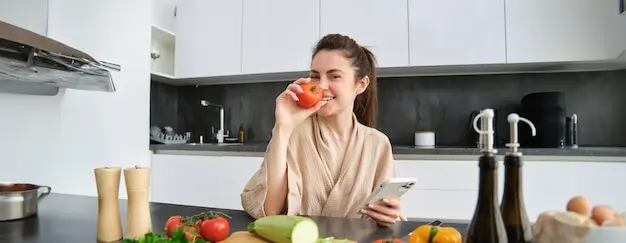
First Five Minutes: Phones Away, Breaths In
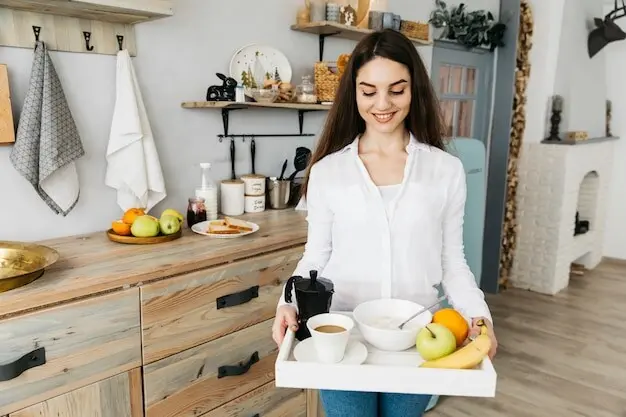
Pace with the Fork Rest
Weekend Reset That Lasts All Week
Batch-Cook Building Blocks
Prepare versatile bases like roasted chicken, quinoa, and sheet-pan vegetables, then remix into salads, wraps, or grain bowls. Kids learn how one effort multiplies across days, shrinking evening stress. Store components in clear containers with a menu note. Invite children to suggest combinations, practicing planning skills while shaping dinners they are excited to eat.
Snack Stations Kids Can Rely On
Designate a shelf with balanced choices portioned into small containers: fruit slices, cheese cubes, whole-grain crackers, and water bottles. Predictability reduces constant requests and teaches self-regulation. Add a simple rule, pair a produce with any pick. Encourage kids to restock during weekend resets, building ownership and easing weekday rush without sacrificing nutrition or budget.
Menu Map with Rainy-Day Backups
Sketch a flexible plan with three anchor dinners, two quick saves, and one wild card for leftovers. Tape it on the fridge where everyone can see and request swaps. When schedules slip, choose a backup without guilt. Share your map each Sunday in our feed to inspire others and keep accountability friendly, realistic, and encouraging.