Small Daily Rituals for Happier Family Meals

Welcome! We dive into family-friendly small routines to improve kids’ and parents’ eating, turning everyday moments into meaningful progress without pressure or perfection. Discover tiny habits that fit busy mornings, after-school hunger, and late-night planning, helping everyone feel nourished and calm. Along the way, we share science-backed tips and heartfelt stories that make change stick, including choices kids enjoy and shortcuts parents trust. Try one idea today, celebrate small wins, and tell us what worked so we can grow together, plate by plate.

Morning Routines that Spark Better Breakfasts

Consistent mornings do not require elaborate spreads; they flourish through repeatable touches that lower friction and invite appetite. A chilled pitcher of milk, fruit washed the night before, and a ready skillet remove decisions when energy is thin. As one dad told us, setting spoons and bowls at bedtime turned arguments into momentum, because kids saw breakfast as predictable playtime, not a test. Borrow these gentle starts, adapt them quickly, and share your favorite shortcut with our community.

Two-Minute Prep the Night Before

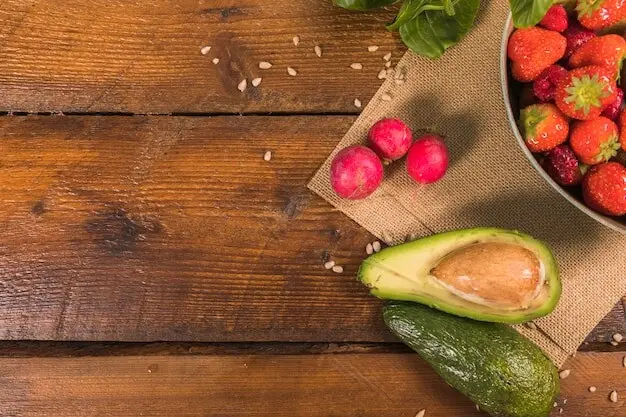
Spend two quiet minutes pre-packing dry oats, measuring yogurt, or slicing strawberries, then place everything at kid eye level. These tiny signals say, breakfast is ready for you, not waiting on adults. The predictable setup encourages autonomy, reduces morning bargaining, and helps parents sip coffee without constant requests. Snap a photo of your setup and inspire another family to try it tomorrow.

Choice Boards that Empower Without Overwhelm

Offer a simple, reusable board with two grains, two proteins, and two fruits pictured, letting kids point rather than debate. Research suggests children try more foods when they help choose. Limit to pairs to prevent decision fatigue, and rotate weekly to keep discovery bright. Post your current board in our comments and let others borrow your best combinations.

Protein First, Fun Second

Lead with a small protein anchor before sweet flavors appear: scrambled eggs beside berries, nut butter on toast triangles, or cottage cheese under cinnamon. This order steadies energy and moods, helping school transitions feel smoother. Share with kids why superheroes refuel with strength foods first, turning nutrition into storytelling. Tell us which pair kept everyone powered longest this week.
Color-Coded Bins and Eye-Level Wins
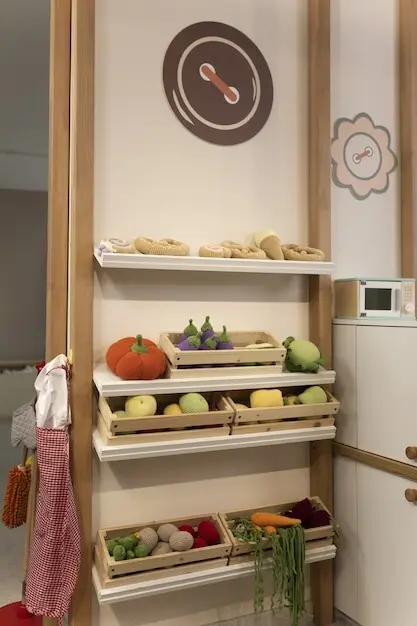
Place green for veggies, blue for proteins, and yellow for grains at kid eye level, reserving treats on higher shelves. Children intuitively read color cues faster than text, turning choices into a game they can win. Include scoops and small tongs for tactile fun, and invite them to assemble balanced snacks independently while you prep dinner nearby.

Sunday Chop-and-Drop

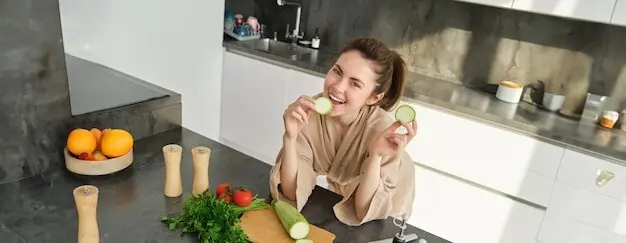
On weekends, wash and chop carrots, cucumbers, and peppers, then drop them into clear containers with a paper towel to wick moisture. Pair with ready hummus or yogurt dip for instant grab-and-go. Ten quiet minutes now replaces hectic slicing later, preserving patience during homework hour. Share your fastest pairing and inspire a neighbor’s smoother Monday.

Tiny Hands, Big Helpers

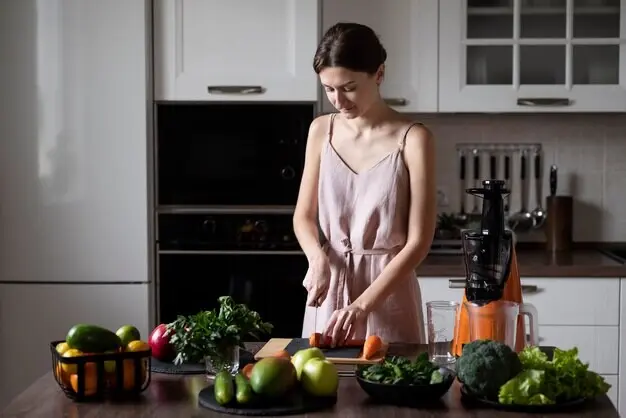
Assign age-matched jobs: toddlers tear lettuce, early graders rinse beans, tweens grate cheese with a guard. Each role matters and builds trust. Snack breaks double as tasting lessons, gently widening comfort zones. Capture a before-and-after photo of their station, then let them explain the steps aloud, reinforcing memory and pride through storytelling and playful applause.

Five-Minute Cleanup Game

Set a timer, blast a favorite chorus, and race crumbs to the bin while someone crowns the day’s sparkle sponge champion. Gamified cleanup transforms resistance into routine, signaling meals have a joyful beginning and end. Post your soundtrack in the comments, and we’ll compile a community playlist that keeps momentum cheerful and sustainable after busy evenings.

Micro-Bites and the No-Pressure Plate

Add a pea-sized sample of something new on a tiny side plate, announcing there is no requirement to taste. Children inspect, poke, and sniff without fear, which research links to higher acceptance later. Celebrate observation, not consumption. Ask them to describe color and shape, then let the sample sit, inviting curiosity back another day without drama.

Sauce Sides, Not Surprise Swaps

Instead of hiding vegetables, offer dips and sauces beside familiar foods: pesto dots near pasta, tahini swirls beside chicken, or citrus yogurt next to potatoes. Visible options respect autonomy and invite playful mixing. Kids decide ratios, discover new favorites safely, and practice flavor language. Share your family’s go-to dip and we’ll trade suggestions tomorrow.

Garden Windowsill Science

Sprout basil, radishes, or pea shoots in a sunny jar, measuring growth and tasting leaves at milestones. Tangible care turns ingredients into friends, not strangers. Kids who nurture plants often greet those flavors more warmly at dinner. Post your sprout photos, and we will cheer each centimeter as patience blossoms into crunchy, fragrant bites.

Mindful Meals Without Drama
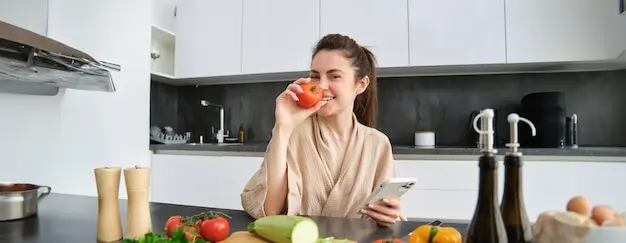
Calm tables are built by rhythm, not rigid rules. When everyone pauses, breathes, and notices flavors, hunger and fullness cues become clearer, and conflicts fade. We model attention with simple rituals that fit any schedule. These practices make even ten-minute dinners feel intentional, restoring connection before bedtime. Try one, then report back on tone and smiles.

First Five Minutes: Phones Away, Breaths In
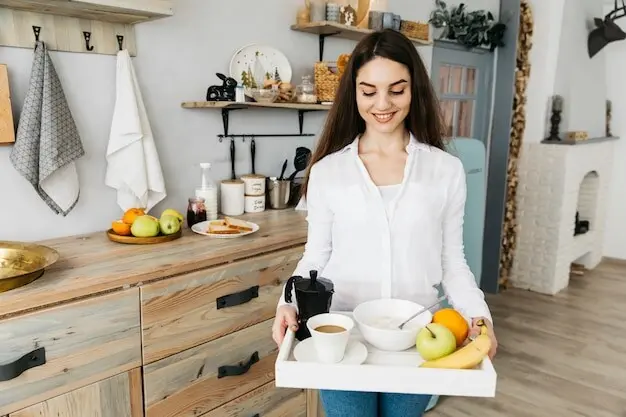
Make the opening moments sacred by stacking devices in a basket, then inviting three slow breaths together. This gentle reset shifts brains from scrolling to sensing, priming taste and patience. Younger kids enjoy blowing pretend bubbles; older ones like a silent count. Notice the air change, then share one small gratitude about the meal’s journey.

Pace with the Fork Rest

Practice setting forks down between bites to notice textures and cues. Parents model first; kids follow when they see conversations continue calmly. This simple pause can reduce overeating and arguments by slowing the race to finish. Turn it playful with a secret signal, and celebrate the best listener who spotted a new flavor note tonight.

Weekend Reset That Lasts All Week

Use slower days to assemble building blocks that future you will thank. A short plan, a few trays, and labeled containers transform Monday through Thursday from scramble to glide. Predictable options protect budgets and tempers, while leaving room for surprises. Share your reset ritual, swap links, and help another household trade chaos for steadier, kinder meals.

Batch-Cook Building Blocks

Prepare versatile bases like roasted chicken, quinoa, and sheet-pan vegetables, then remix into salads, wraps, or grain bowls. Kids learn how one effort multiplies across days, shrinking evening stress. Store components in clear containers with a menu note. Invite children to suggest combinations, practicing planning skills while shaping dinners they are excited to eat.

Snack Stations Kids Can Rely On

Designate a shelf with balanced choices portioned into small containers: fruit slices, cheese cubes, whole-grain crackers, and water bottles. Predictability reduces constant requests and teaches self-regulation. Add a simple rule, pair a produce with any pick. Encourage kids to restock during weekend resets, building ownership and easing weekday rush without sacrificing nutrition or budget.

Menu Map with Rainy-Day Backups

Sketch a flexible plan with three anchor dinners, two quick saves, and one wild card for leftovers. Tape it on the fridge where everyone can see and request swaps. When schedules slip, choose a backup without guilt. Share your map each Sunday in our feed to inspire others and keep accountability friendly, realistic, and encouraging.

Rinolumaveltomexopalo
Privacy Overview

This website uses cookies so that we can provide you with the best user experience possible. Cookie information is stored in your browser and performs functions such as recognising you when you return to our website and helping our team to understand which sections of the website you find most interesting and useful.